The Edgenuity Cumulative Exam: What It Is and How to Prepare
One exam. The whole course inside it. Here's exactly what it pulls from, how the attempt and review rules actually play out, and the myth about it that costs students the most.

What it is
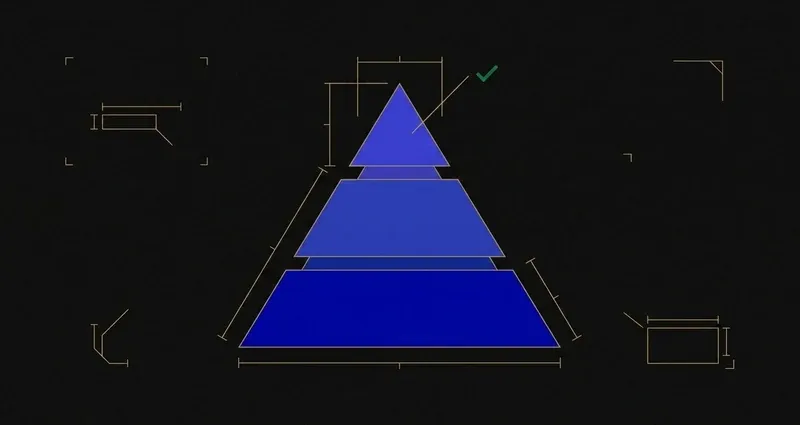
The cumulative exam sits at the very top of an Edgenuity course: it draws on everything, from Unit 1 through whichever unit you finished last. It's the top tier of a three-level assessment stack. A Quiz closes out each lesson. A Unit Test closes out each unit and pulls from its lessons. The cumulative exam closes out the course and pulls from every unit inside it.
Course weights apply only to quizzes, tests and exams, set per course. In most configurations the cumulative exam is the single highest-weighted item you'll sit all term, which is why a course that felt comfortable in October can come down to one afternoon in June.
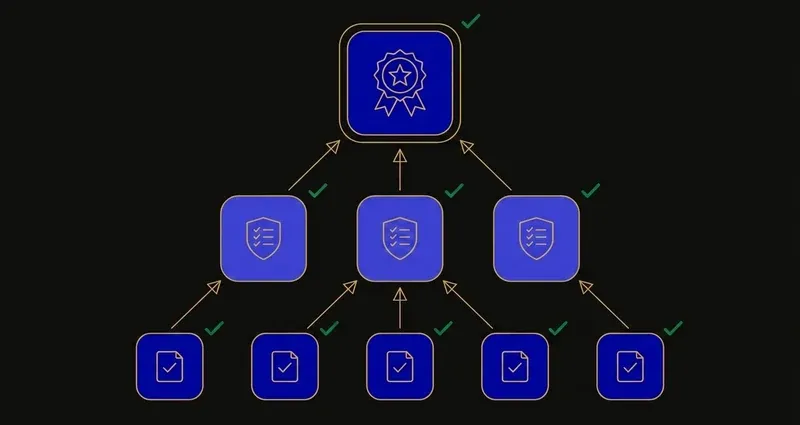
Every unit test you shrugged off in September is still fair game in June. The cumulative exam doesn't forget a unit just because you did.
The last-unit myth
It's easy to assume the cumulative exam is really just "the last unit test with a bigger name," since it lands right after the final unit. It isn't. It draws on the whole course, not whatever you covered most recently, so cramming the last unit and skimming everything else is exactly the wrong strategy. Guided notes from Unit 2 that you haven't opened since September are just as fair game as Unit 6, and the material most likely to have faded.
The rules that vary
Three teacher-side settings decide how much room you have on exam day, and none of them are fixed.
Attempts. Teachers set how many attempts an exam allows, and can cap the total so a student is moved on automatically. Where retakes exist, the highest score counts, so a second attempt can only help you.
Review options. Per assessment: no review, student answers only, or correct answers with explanations. This decides whether your earlier unit tests double as revision material.
Teacher review gates. The cumulative exam, being the highest-stakes item in the course, is frequently locked until a teacher opens it. You can't open one yourself; see how to unlock Edgenuity tests.
Ask about all three before you sit down for it: one message to your teacher, and it changes your whole strategy for the week beforehand.
A worked example: two attempts, one review setting
Say your course allows two attempts, and review is set to correct answers with explanations, the most generous setting available.
First attempt: 68%. Below what the course needs, but review shows exactly which questions you missed, and six cluster around one early unit you rushed through back in October.
Between attempts, you don't re-read the whole course. You go back to that unit's guided notes, since assessments are built directly from them, and to that unit's test review, if your course included one.
Second attempt: 84%. Because retakes keep the highest score, 84% is what counts, not an average. The 68% disappears from your grade, rewarding finding your actual gap over luck on question order.
How to actually prepare
Guided notes first
Quizzes, tests and exams are built directly from them. Filled in, they're already the material the exam draws from.
Mine your unit tests
With correct-answers review, your earlier unit tests are a bank of exactly the right question style. Most students never revisit them.
Check the personalised study plan
EdgeEX builds one after practice assessments, linking straight back to the lessons you struggled with.
Do the unit test reviews
Where a course includes them, they're calibrated to what the real assessments ask.
Confirm whether eNotes are allowed
Some teachers permit eNotes during assessments. If yours does, your notes are available on exam day.
Front-load vocabulary
The glossary is disabled during assessments, so anything you'd normally look up needs to already be known.
If it goes badly
First, find out whether an attempt remains, or whether your teacher will grant one; the highest score still counts once you retake it.
Second, work out what the score actually did to your grade. The exam is heavily weighted, but it isn't the whole course: your Actual Grade also depends on completion, and clearing outstanding work may move your recorded grade more than a retake does. See Actual Grade vs Overall Grade.
Third, ask about your district's policy. Credit recovery programmes often have documented processes for a failed final assessment: retake windows, remediation, or a repeat of specific units rather than the whole course.
One thing not to do
Do not go looking for cumulative exam answers. Beyond everything covered in why the answer lists online never match, this exam is the assessment most likely to sit behind a teacher-review gate, and some districts deliver it in a separate secure testing mode that SnoopSolve is not designed for. Prepare for it properly instead: it's the assessment with the highest return on preparation in the whole course.
What to do with this
First, the exam isn't a Unit 6 retest: it's every unit at once, so revision has to reach back to the units you finished months ago, not just the one you just closed.
Second, your review setting decides your revision material. If unit tests show correct answers with explanations, that's half your prep already done; go find them before building a new study plan from scratch.
Third, if a retake is available, the highest score is what sticks, so a rough first attempt is information, not a verdict.
Where a specific question is what's actually blocking you, step-by-step Edgenuity help with the reasoning shown is faster than re-deriving it from notes alone.
Frequently Asked Questions
What is a cumulative exam on Edgenuity?
A course-level assessment that draws on material from across the whole course, sitting above the unit tests. Course weights apply to quizzes, tests and exams, and the cumulative exam is typically the highest-weighted single item.
Can you retake an Edgenuity cumulative exam?
It depends on your teacher's settings. Teachers configure how many attempts an exam allows, and where retakes are available the highest score counts. A teacher can also grant an additional attempt.
What happens if you fail the cumulative exam on Edgenuity?
That depends on the course weighting and your district's policy. Because the exam is usually heavily weighted, it can pull a passing course grade below the threshold, which is why asking your teacher about a retake is the first move.
Does the Edgenuity cumulative exam only cover the last unit?
No. It draws on material from across the entire course, not just the unit you finished most recently. The cumulative exam sits above the unit tests specifically because it pulls from every unit, not the final one, so cramming only the last unit the night before misses most of what's actually on it.
What's the best way to study for an Edgenuity cumulative exam?
Start with your guided notes, since district student guides state directly that quizzes, tests and exams are built from them. Where your teacher's review setting shows correct answers with explanations, your past unit tests are also usable as revision material, and EdgeEX's personalised study plan after a practice assessment points to your specific weak lessons.